

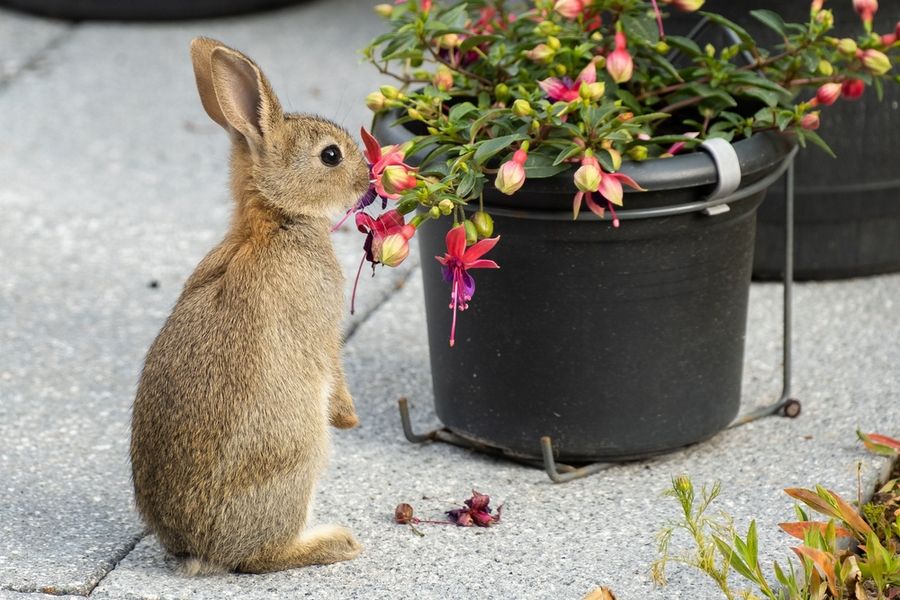
Deer, rabbits, cats, and other animals can damage plants in a short visit. Fences and plant covers may offer stronger protection, but they are not practical in every yard. Motion-activated sprinklers provide another option by releasing a sudden spray when an animal enters the protected area. The water, movement, and noise can startle the visitor without trapping it or applying chemicals. Good placement and regular adjustments are important because no single deterrent works equally well in every situation.
How Motion-Activated Sprinklers Work
A motion-activated sprinkler connects to a water supply and watches a selected part of the yard with a sensor. When the device detects movement, it opens its valve and sends a burst of water across the area. The unexpected spray and sprinkler noise encourage the animal to move away.
Some models allow the user to select daytime, nighttime, or continuous operation. Adjustable spray patterns and sensor settings can also help homeowners protect vegetable beds, flower gardens, trees, ponds, or sections of lawn. Current models, like the Yard Enforcer, are marketed for animals that include deer, rabbits, squirrels, birds, rodents, cats, and dogs.
The sprinkler does not need to hit an animal directly to have an effect. The sudden movement and sound may be enough to interrupt feeding or digging. However, the sensor and spray must cover the route the pest actually uses.
Which Garden Pests May Be Deterred
Motion-triggered sprinklers can discourage several animals that enter home gardens. They are commonly used as one layer of protection against deer and rabbits. They can also help keep cats away from flower beds and loose soil where they may dig or leave waste.
The same type of device may startle opossums, skunks, and raccoons. However, the effect may last only a few days when an animal has already formed a habit of visiting the yard or garden.
These sprinklers are not a solution for insects, plant diseases, moles moving below the soil, or animals already nesting beneath a deck or shed. Homeowners should first identify the cause of the damage. Ragged leaves, clipped stems, tracks, droppings, holes, and nighttime camera footage may help show which animal is involved.
Place the Sprinkler Along the Entry Route
A sprinkler is more likely to work when the sensor faces the direction from which animals approach. Placing it only beside the damaged plant may be too late if the pest enters from outside the sensor’s view. Look for gaps in hedges, worn paths, fence openings, or tracks near the edge of the property.
The device should have a clear view without tall plants moving directly in front of the sensor. Wind-blown branches, people, pets, and passing vehicles may cause unwanted activations. Aim the water away from sidewalks, doors, outdoor furniture, and areas where family members regularly walk.
Test the setup by approaching from the expected entry point. Adjust the sensor angle, sensitivity, and spray distance until the water covers the intended zone. A second sprinkler may be needed for a wide garden or for animals entering from more than one direction.
Move the Device to Preserve the Surprise
Deer and other animals can become less wary of a scare device over time. Moving a motion-activated sprinkler to different parts of the garden can help preserve the unexpected effect. Guidance for deer control recommends changing the device’s position rather than leaving it in one predictable place for the entire season.
Relocation does not need to happen every day. The sprinkler can be moved when new damage appears, when animals find another route, or when the current setup no longer causes a clear reaction. Changing the spray angle may also help.
Gardeners can monitor results by checking plants and soil each morning. Fresh damage means the protected zone may be too narrow, the sensor may be missing smaller animals, or the visitor may have learned to approach from another direction.
Combine Water Deterrents With Other Controls
Motion sprinklers are often more useful as one layer of protection than as the only defense. Deer and rabbits may keep returning when a garden offers tender plants and easy access. A combined plan can include fencing, individual plant covers, less appealing plants, and motion-triggered water.
For raccoons, opossums, and similar animals, removing food sources is also important. Secure garbage cans, remove outdoor pet food at night, clean up fallen fruit, and avoid placing table scraps in open compost piles. Blocking access beneath buildings may be necessary when an animal is using the property for shelter.
Physical barriers remain the more dependable choice when damage is severe or valuable crops need constant protection. A sprinkler can cover an opening or discourage visits while plants become established, but a determined animal may eventually find a way around it.
Protecting Plants Without Harming Visitors
Motion-activated sprinklers can offer a simple way to interrupt animals before they feed, dig, or settle into a garden bed. They are most useful for visible, above-ground visitors such as deer, rabbits, cats, squirrels, and some larger nighttime pests.
Success depends on more than placing a sprinkler beside a damaged plant. Identify the animal, cover its approach, test the sensor, and move the unit when the visitor begins avoiding its range. For persistent problems, combine the sprinkler with barriers and the removal of food or shelter. This layered approach gives plants a better chance of remaining undisturbed.