

Sore muscles after exercise can make foam rollers and powered massage tools seem appealing. Each applies pressure to soft tissue, but the experience is different. A foam roller uses body weight to cover broad areas, while a massage gun delivers rapid pulses to a smaller target. Neither tool repairs muscle instantly or replaces rest. The better choice depends on whether the main goal is broad pressure, precise treatment, easier handling, or short-term relief after a demanding workout.
Foam Rollers Cover Large Muscle Groups
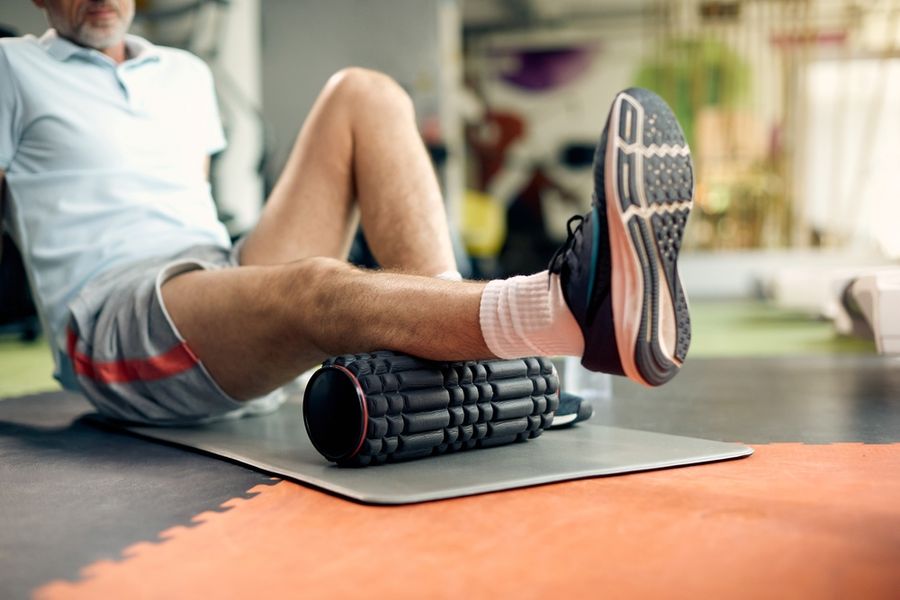
A foam roller works well across the calves, thighs, glutes, and upper back. The user controls pressure by shifting body weight and moving slowly across each area. Softer rollers can suit beginners, while firmer or textured models create a stronger sensation.
Foam rolling may ease immediate soreness and improve range of motion. A 20-minute routine completed after intense exercise and repeated every 24 hours reduced muscle tenderness and limited declines in some movement tests. The drawback is that rolling may require floor space, arm support, and position changes that are difficult for some users.
Massage Guns Provide Targeted Pressure
A massage gun uses a motorized head to deliver repeated pulses into a selected muscle. It can be moved across the calves, quadriceps, or shoulders while the user sits or stands. Multiple speeds and attachment shapes may also make the sensation easier to adjust.
This design is useful when one area feels especially tight. The device should move slowly along the muscle without added downward force, since the motor already supplies pressure. A massage gun is less useful for places that are hard to reach alone, and a high setting may feel too harsh.
The Evidence Supports Modest Expectations
Foam rolling can help muscles feel looser, but it should not be treated as a cure for delayed-onset muscle soreness. It may reduce tenderness and make movement feel easier, yet it has not been proven to prevent all soreness that develops one or two days after exercise.
Percussive therapy may improve recovery of explosive jumping performance. However, current findings do not show clear benefits for maximum-strength recovery or delayed-onset muscle soreness. The certainty of several findings is also low or very low. Neither tool can claim to speed every part of recovery.
Foam Rollers Are Better for Broad Treatment
A foam roller is usually the stronger choice when several large muscle groups feel stiff. One tool can move from the calves to the hamstrings, thighs, glutes, and upper back without changing attachments or charging a battery. It can also combine pressure with gentle movement through different positions.
The pressure is less precise because much of it comes from body weight. Beginners can start with a smooth, softer roller and light pressure. About one to two minutes on a sore or stiff area is enough to begin, and the user should ease off when a spot feels sharply painful.
Massage Tools Are Better for Precision
A massage gun may be better when one muscle needs attention with little setup. It can be used upright and does not require supporting the body on the arms. The lowest speed provides a sensible starting point for testing comfort.
The tool should stay on muscle rather than bones or joints. A single muscle group should not be treated for more than a couple of minutes at a time. The device must also be charged and held steadily, and another person may be needed to reach the middle of the back.
Safety Can Shape the Choice
Foam rolling should not be performed directly over the knees, elbows, or ankles. Anyone with a torn muscle or broken bone should seek medical guidance before rolling the affected area. Massage guns also require caution around bones, injured tissue, and sensitive areas.
People recovering from an injury or managing an underlying health condition should check with a healthcare professional before using a massage gun. Strong pain, bruising, numbness, or worsening symptoms are reasons to stop rather than increase pressure.
Which Tool Is Better?
For people who want a simple way to treat several large muscles, a foam roller is the better all-around choice. It covers more area and has useful evidence for reducing tenderness and limiting some short-term performance losses after hard exercise.
A massage gun is better for focused pressure, upright use, and quick attention to one muscle. Its recovery benefits are less certain than many marketing claims suggest, but it may still provide short-term comfort. The best option is the tool that can be used gently and consistently without replacing sleep, rest, hydration, and a gradual return to training.