

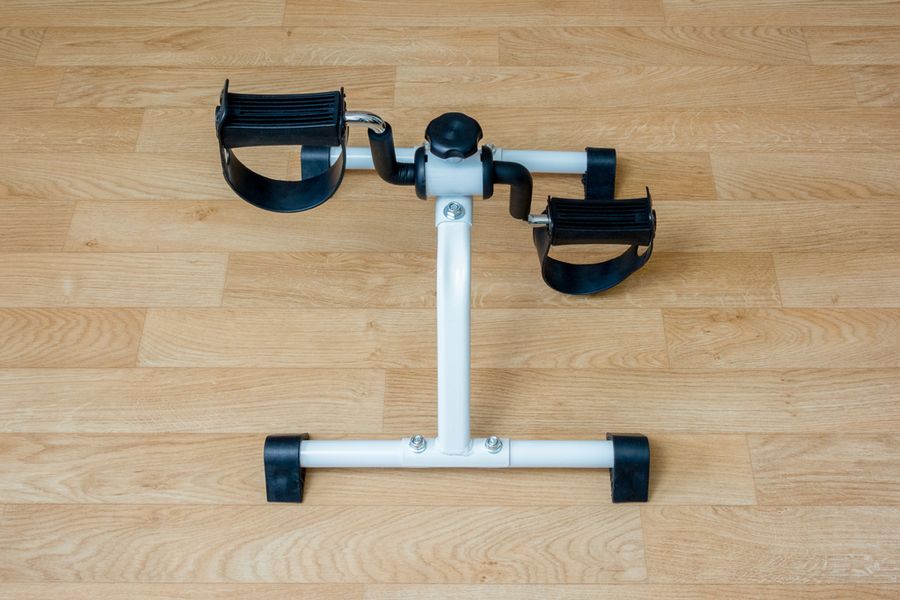
Long hours at a computer can leave little room for movement, especially when meetings and deadlines fill the day. An under-desk pedal exerciser offers a practical way to move the legs while remaining seated. Compact machines cannot replace every part of a fitness routine, but they can make an inactive work period more active. The best results come from choosing a model that fits the workstation, starting gently, and building short pedaling sessions into tasks that do not require intense focus.
Why Desk Pedaling Fits a Busy Schedule
An under-desk pedal exerciser places a small cycling unit beneath a desk instead of requiring a separate workout area. The user remains in a desk chair and pedals while reading, attending a call, reviewing documents, or completing other seated work.
Short movement periods can be easier to schedule than one long break. Workplace guidance encourages employees to build activity breaks of about five to 10 minutes into the day and notes that many activities can be completed at or near a desk.
The machine should be treated as one option rather than a reason to remain seated all day. Standing, walking to another room, stretching, and taking an outdoor break still provide useful changes in posture and movement.
Begin With Light Resistance
A high resistance setting may make the legs work harder, but it can also make typing, reading, and concentrating more difficult. A gentle setting allows the motion to become part of the background rather than the main task.
Light pedaling at work rates of 17 and 25 watts produced work-performance scores similar to those recorded without pedaling. The lower rate also provided greater physical comfort, making it a practical starting point for people who are not normally active.
Begin with a few minutes at a smooth pace. Resistance and session length can be increased after the motion feels natural. There is little value in choosing a demanding setting that causes the user to stop after one uncomfortable attempt.
Adjust the Desk and Chair First
A pedal exerciser changes the space needed beneath a workstation. The knees rise with each turn, so the desk must provide enough clearance above the legs. The user may also need to move the chair farther back than usual.
A properly adjusted desk should provide adequate legroom and allow computer equipment to remain in positions that reduce awkward postures. The chair should support the back, legs, and arms while allowing the user to sit comfortably.
Test the setup before starting a full work session. Pedal slowly while checking whether the knees touch the desktop and whether the user must lean backward or reach forward for the keyboard. If pedaling forces the body into an awkward position, the workstation needs adjustment.
Look for a Low Pedal Height
Product dimensions matter because a taller pedal path causes the knees to rise farther. A low unit may fit more easily beneath a standard desk, while a taller machine may require an adjustable work surface.
One current compact model, the DeskCycle, provides a pedal-height range of 9 to 10 inches. It also measures 24 inches wide and slightly more than 10 inches deep, so shoppers can compare those dimensions with the open space beneath their own desks.
Measure from the floor to the underside of the desk, then account for the height of the user’s legs and chair. A product may be described as an under-desk model and still be too tall for a thick desktop, keyboard drawer, or user with longer legs.
Choose Resistance and Stability Features
Adjustable resistance lets the same device support gentle motion and more challenging sessions. For example, the DeskCycle provides eight magnetic-resistance settings and adjustable pedal straps.
A stable base is also important. The unit should remain in place rather than sliding forward with each pedal stroke. A nonslip mat may help on smooth flooring, while a rolling office chair may need its wheels secured.
Pedal straps should hold the feet without feeling tight. Users should also wear shoes that remain steady on the pedals. Slippers and loose footwear may make it harder to control the motion.
Match Pedaling to the Right Tasks
Some work activities pair with pedaling more easily than others. Listening during a meeting, reading routine material, or sorting email may require less exact movement than detailed typing, drawing, or working with numbers.
The work task should determine the pedaling level. A gentle pace may remain comfortable during computer use, while a harder session may be better saved for a phone call or video that does not require typing.
There is no need to pedal through every task. Stopping during demanding work can protect concentration and prevent the machine from becoming an annoyance. It can be restarted when the next suitable activity begins.
Create a Repeatable Workday Routine
A device under the desk will not add much movement if it is rarely used. Link pedaling to events that already happen, such as the first email review, a weekly team call, or an afternoon reading period.
Five- or 10-minute sessions can be spread across the day. This approach may feel more manageable than trying to pedal continuously for an hour. A timer, calendar prompt, or regular meeting can serve as a reminder.
Tracking total time can help the user see whether the routine is becoming consistent. Speed and resistance are less important at first than returning to the machine regularly without discomfort.
Keep Other Forms of Activity in the Plan
Adults are advised to move more and sit less, but they are also encouraged to complete at least 150 minutes of moderate aerobic activity each week and muscle-strengthening activity on two days.
Gentle desk pedaling may not always be intense enough to meet the aerobic target. It also does not work all major muscle groups. Walking, strength exercises, and other planned activities remain important.
The pedal exerciser is most useful for changing time that would otherwise be fully inactive. It adds movement to the workday without claiming to replace a complete fitness plan.
A Simple Way to Make Desk Time More Active
An under-desk pedal exerciser can turn part of a seated work period into light movement. Success depends on choosing a low, stable machine, setting up the chair and desk correctly, and using resistance that does not interfere with work.
Start with brief sessions during easy tasks and adjust the routine over time. When desk pedaling is combined with walking breaks, strength work, and other forms of activity, it can become a practical tool for creating a less inactive workday.